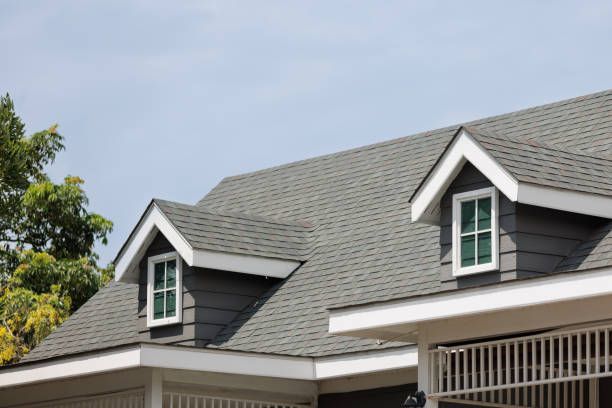
Your roof does more than keep rain out of your home. A properly designed roofing system also needs to allow heat and moisture to escape—and that's where roof ventilation comes in.
In Georgia, where homes experience hot summers, high humidity, heavy rain, and changing temperatures throughout the year, proper attic and roof ventilation can play an important role in protecting your roofing system.
Poor ventilation isn't always obvious. In fact, many homeowners don't realize there's a problem until they notice excessive attic heat, moisture, mold, damaged insulation, or premature wear on roofing materials.
Understanding how roof ventilation works—and recognizing the warning signs of a problem—can help you protect your roof and your home.
What Is Roof Ventilation?
Roof ventilation is a system designed to allow air to move through the attic.
A balanced ventilation system generally includes two components: intake vents and exhaust vents.
Intake vents allow outside air to enter the attic, often through the soffit area near the lower edge of the roof. Exhaust vents allow warm, humid air to escape near the upper portion of the roof.
Working together, these vents help create continuous airflow through the attic instead of allowing excessive heat and moisture to remain trapped inside.
Why Is Roof Ventilation Important in Georgia?
Georgia weather can be tough on a roofing system.
During the summer, intense sunlight can heat the roof surface while attic temperatures rise significantly. Without adequate ventilation, that heat can remain trapped inside the attic.
Humidity and moisture create another concern.
Everyday activities inside your home—including cooking, showering, and doing laundry—can introduce moisture into the air. When warm, humid air reaches the attic and isn't properly vented, moisture can accumulate on insulation, roof decking, and other surfaces.
Over time, excessive heat and moisture can contribute to roofing and attic problems.
1. Proper Ventilation Helps Control Attic Heat
Anyone who has stepped into a Georgia attic during summer knows just how hot it can get.
Proper ventilation helps hot air escape rather than allowing it to remain trapped beneath the roof.
Reducing excessive attic heat can help lessen stress on roofing materials and may also reduce some of the heat transferred from the attic into the living space below.
Ventilation alone isn't a replacement for proper insulation, but the two work together as important parts of a home's attic system.
2. It Helps Manage Moisture
Heat isn't the only reason attic ventilation matters.
Moisture that becomes trapped in an attic can contribute to several problems, including:
- Damp insulation
- Mold or mildew growth
- Wood deterioration
- Musty odors
- Moisture on roof decking
- Damage around nails and fasteners
These problems may develop gradually and can be difficult for homeowners to notice.
A professional roof inspection can help identify visible signs of moisture or ventilation concerns before they lead to more extensive damage.
3. Ventilation Can Help Protect Your Roofing System
Excessive heat and moisture can put additional stress on different components of a roofing system.
Over time, poor attic conditions may contribute to premature deterioration of roofing materials or the roof decking underneath.
That's one reason ventilation should be considered as part of the entire roofing system—not simply as a few vents installed on top of the house.
When
repairing or
replacing a roof, it's important to evaluate how air is entering and exiting the attic rather than assuming more vents automatically mean better ventilation.
Signs Your Roof or Attic May Have Poor Ventilation
Ventilation problems aren't always easy to diagnose, but there are warning signs homeowners can watch for.
These may include:
- An attic that feels excessively hot
- Musty odors in the attic
- Visible moisture or condensation
- Damp or damaged insulation
- Mold or mildew
- Premature deterioration of roofing materials
- Rust around nails or metal components
- Unexplained moisture on roof decking
Some of these symptoms can also be caused by roof leaks, insulation problems, or other issues, which is why identifying the actual source is important.
If moisture is entering through damaged roofing materials, professional roof repair may be necessary.
More Roof Vents Aren't Always Better
One common misconception is that adding more vents will automatically solve an attic ventilation problem.
It isn't quite that simple.
Effective ventilation depends on having the appropriate balance between intake and exhaust. Adding exhaust vents without adequate intake—or combining ventilation methods that aren't designed to work together—may not provide the airflow the attic needs.
The home's roof design, attic layout, existing ventilation, insulation, and other factors should all be considered when evaluating the system.
That's why it's better to have the roof and attic evaluated rather than simply adding vents and hoping for the best.
What Happens to Ventilation During a Roof Replacement?
A roof replacement is an excellent opportunity to evaluate the home's ventilation.
Before installing the new roofing system, a professional roofer can look at the existing vents, roof design, and visible attic conditions to determine whether there are ventilation concerns that should be addressed.
This is especially important if the existing roof has experienced premature deterioration, recurring moisture problems, or excessive attic heat.
If your roof is approaching the end of its useful life, learn more about
roof replacement and what may be involved in installing a new roofing system.
Don't Forget About Your Attic
Homeowners naturally pay attention to the exterior of their roof, but the attic can tell you a lot about what's happening underneath it.
Periodically checking your attic can help you spot potential problems early.
Look for unusual moisture, staining, damaged insulation, musty odors, or visible changes to the underside of the roof decking.
You don't need to climb onto the roof yourself. If something inside the attic concerns you—or you simply aren't sure whether your roof is properly ventilated—a professional inspection is the safer way to get answers.
Protect Your Georgia Roof From the Inside Out
A healthy roofing system isn't just about shingles.
Roofing materials, decking, flashing, insulation, and ventilation all work together to help protect your home.
For Georgia homeowners, proper roof and attic ventilation can be particularly important because of the heat and humidity our homes experience throughout the year.
4H Roofing provides professional roof inspections,
repairs,
replacements, and
roofing services throughout Georgia. If you're concerned about excessive attic heat, moisture, roof damage, or the overall condition of your roofing system, our team can help determine what's going on.
Contact
4H Roofing today to schedule a roof inspection or request an estimate.